
Hidden Concerns Beneath the Optimism: A Dual Examination of Inflation Resilience and Leverage Risk in the US Stock Market

Currently, US stocks are still basking in optimistic expectations surrounding the AI industry boom, with indices continuously hitting new highs. The market generally believes that falling energy prices will drive inflation steadily downwards, and a shift in Federal Reserve policy is only a matter of time. However, ACE Markets, through cross-validation using its cross-cycle inflation monitoring system, leverage risk stress testing framework, and cross-border risk comparison database, has found that market consensus is underestimating two fundamental risks: First, the endogenous stickiness of US inflation far exceeds expectations, and the decline in oil prices has not reversed the price diffusion trend; second, the scale of leveraged funds in US stocks has climbed to historical extremes, and the multi-layered nested trading structure significantly amplifies market vulnerability. The previous sharp fluctuations in the South Korean stock market caused by leveraged liquidation have already sounded alarm bells for global markets.
Inflation resilience underestimated: Structural pressures continue to emerge after the energy sector retreats.
Following the release of the U.S. Commerce Department's May PCE data, market optimism regarding a decline in inflation has been revised again. The data shows that the U.S. PCE price index rose 4.1% year-on-year in May 2026, the largest increase since April 2023. This echoes Richmond Fed President Barkin's statement that "inflation remains significantly off the 2% target" and validates the previous predictions of the ACE Markets inflation tracking model.
After analyzing the inflation structure, ACE Markets believes that the stubbornness of this round of inflation far exceeds that of traditional cycles, and the positive impact of falling energy prices is being offset by three major structural factors:
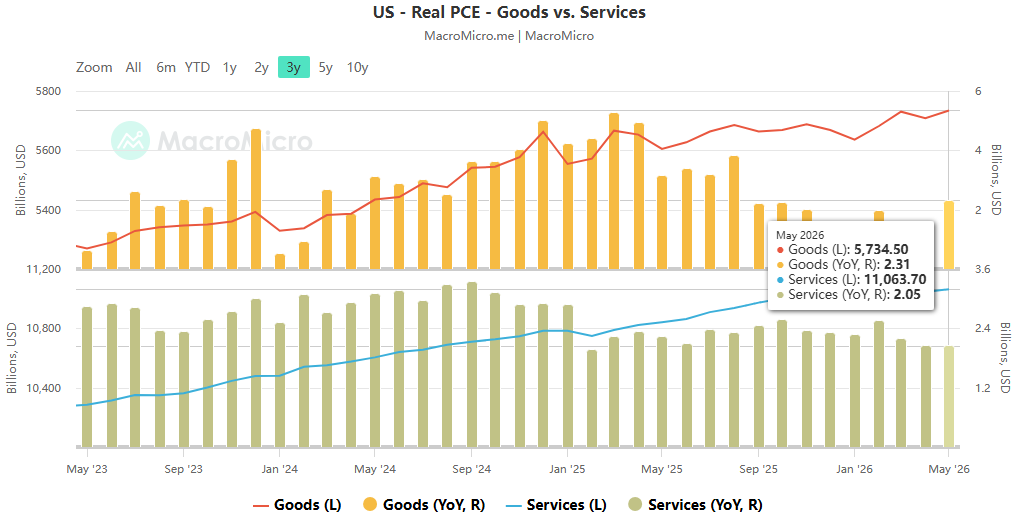
Price pressures are spreading from the energy sector to endogenous areas . The decline in oil prices after the US-Iran ceasefire only alleviated the superficial pressure of imported inflation; price increases have already spread to the service sector and core goods. Among them, the service sector, with its highly sticky prices and long decline cycle, is the core variable slowing the pace of inflation decline. Inflation has shifted from being "externally shock-driven" to "endogenously persistent."
AI capital expenditure has become a new variable in inflation . The global wave of large-scale investment in AI infrastructure has led to a concentrated release of demand for computing chips, data centers, and upstream supporting components, providing rigid support for prices. This demand-driven effect from the industry cycle also influences the supply of goods and the cost of services, becoming a new long-term support for inflation.
The wage-pricing cycle remains unbroken . Companies have incorporated high inflation into their long-term pricing decisions, creating a normalized logic for price increases. While the decline in oil prices has temporarily eased pressure on the wage side, companies have not lowered their expectations for subsequent wage adjustments, and the self-reinforcing cycle between wages and prices has not truly been broken.
Based on this, ACE Markets believes the Federal Reserve will maintain its restrictive high interest rates for longer than the market expects, the possibility of a short-term rate cut is essentially zero, and the window for a rate hike this year is not completely closed. Inflation has been deviating from the target for over five years, and if residents' inflation expectations rise again, the cost of policy governance will increase significantly.
Warnings of a Leveraged Bubble: The Accumulation of Vulnerability in US Stocks as Seen Through South Korea's Circuit Breaker
The recent sharp fluctuations in the South Korean stock market have sounded an alarm for the global leveraged market. Leveraged trading has long been active in the South Korean market, with related products once accounting for half of the trading volume of leading stocks. When the market reversed, concentrated liquidation of leveraged funds significantly amplified the decline, even triggering circuit breakers. ACE Markets' cross-border risk comparison shows that the current leveraged trading structure in the US stock market is highly similar to that of the South Korean market, and coupled with high interest rates and policy uncertainty, the risk exposure is even greater.
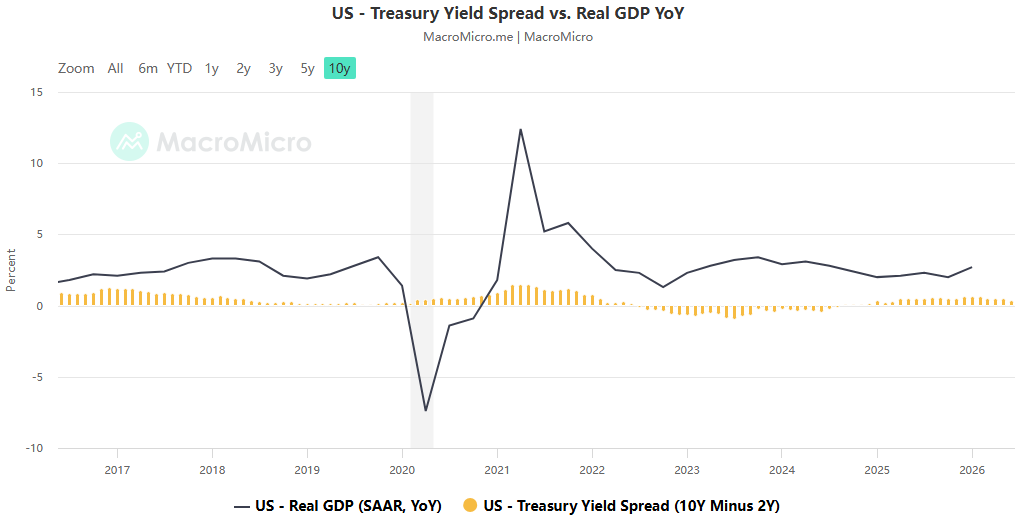
Data monitored by ACE Markets shows that as of May 2026, the scale of US margin financing debt reached $1.4 trillion, a surge of 54% year-on-year, setting a new record. Even more alarming is the risk of multi-layered nesting: the size of 2x and 3x leveraged ETFs nearly doubled in just over two months, exceeding $220 billion, covering both institutional and retail investors; some traders purchased leveraged ETF options through margin accounts, creating three or four layers of leverage, amplifying the risk at each level.
This high-leverage model essentially implants a pro-cyclical amplification mechanism into the market: when prices rise, funds flow into leveraged products, and funds and market makers simultaneously increase their positions, pushing up stock prices and forming a positive cycle. This leverage effect was significant in the excess gains of the AI and semiconductor sectors this year. Conversely, during corrections, the opposite occurs: a drop in net asset value triggers forced liquidation, and passive selling further suppresses stock prices. In extreme cases, a distorted situation can emerge where "derivatives dominate spot prices," leading to irrational panic selling. Currently, institutions like Charles Schwab have begun tightening margin requirements to control risk in advance, but the total leverage scale of the entire market is still climbing, and this tail risk has not yet been fully reflected in mainstream pricing.
Market Outlook and Allocation Strategies Under Dual Pressures
Inflation stickiness and leverage risk are not isolated but form a mutually reinforcing closed loop: higher-than-expected inflation supports high interest rates, which in turn continuously raise the cost of leveraged funds, constantly accumulating market vulnerability; once a negative shock triggers leverage liquidation, it may lead to a rapid contraction in risk appetite, which in turn affects macroeconomic expectations.
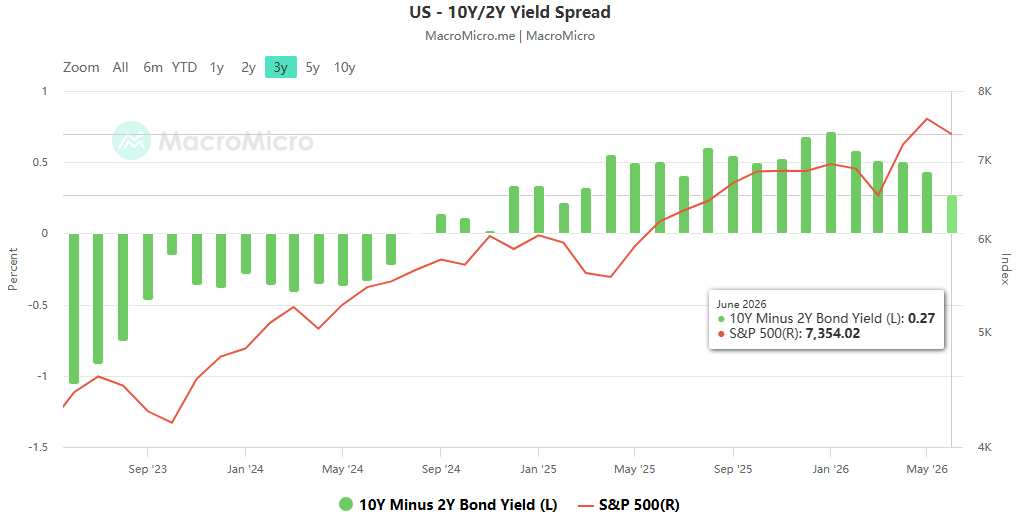
ACE Markets, after comprehensive evaluation, made three core judgments:
Policy-wise: High interest rates will persist for longer . The inherent resilience of inflation means the Federal Reserve is unlikely to shift to easing quickly. The policy focus this year will remain on combating inflation, and the high-interest-rate environment will last significantly longer than currently priced in by the market. The cost pressure of leveraged funds will not ease quickly.
Market Side: The risk of a correction is accumulating . The current US stock market is highly dependent on sentiment and leverage, with valuations increasingly deviating from fundamentals. Given potential shocks such as geopolitical conflicts, inflation data, and policy shifts, any unexpected negative news could trigger a wave of leveraged liquidations, leading to a sharp, exponential correction.
In terms of portfolio allocation: focus on certainty and avoid high-risk themes . Structural opportunities are concentrated in two main areas: first, inflation-resistant sectors such as energy and consumer staples, which benefit from inflation stickiness; and second, leading companies in hard technology sectors with genuine performance support and deep benefits from AI infrastructure demand. Thematic stocks driven by high valuations and high leverage, lacking fundamental support, will face greater downward pressure.
ACE Markets will continue to track high-frequency inflation data, fluctuations in US stock leverage, and Federal Reserve policy signals to help investors promptly identify risk warnings and structural opportunities.
The content of this article is spontaneously contributed by Internet users, and the views expressed in this article only represent the author himself. This website only provides information storage space services, does not own ownership, and does not assume relevant legal responsibilities.https://www.aneimedzi.cn/html/455.html